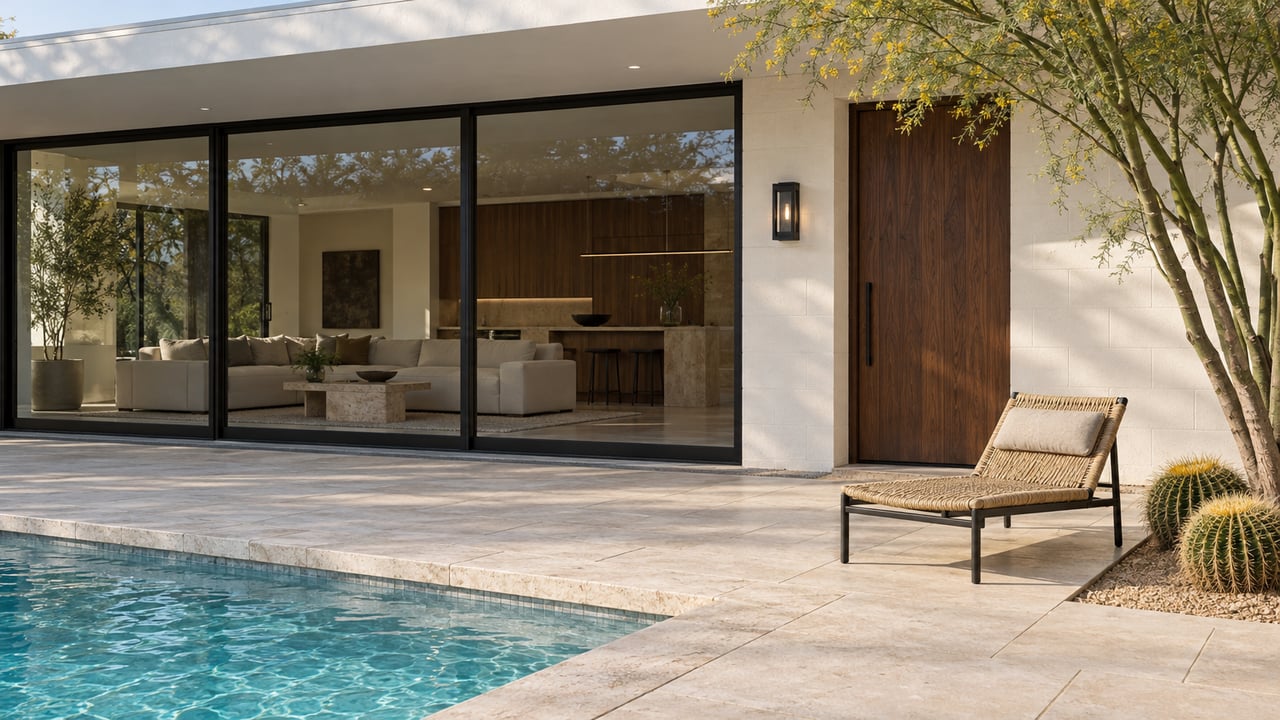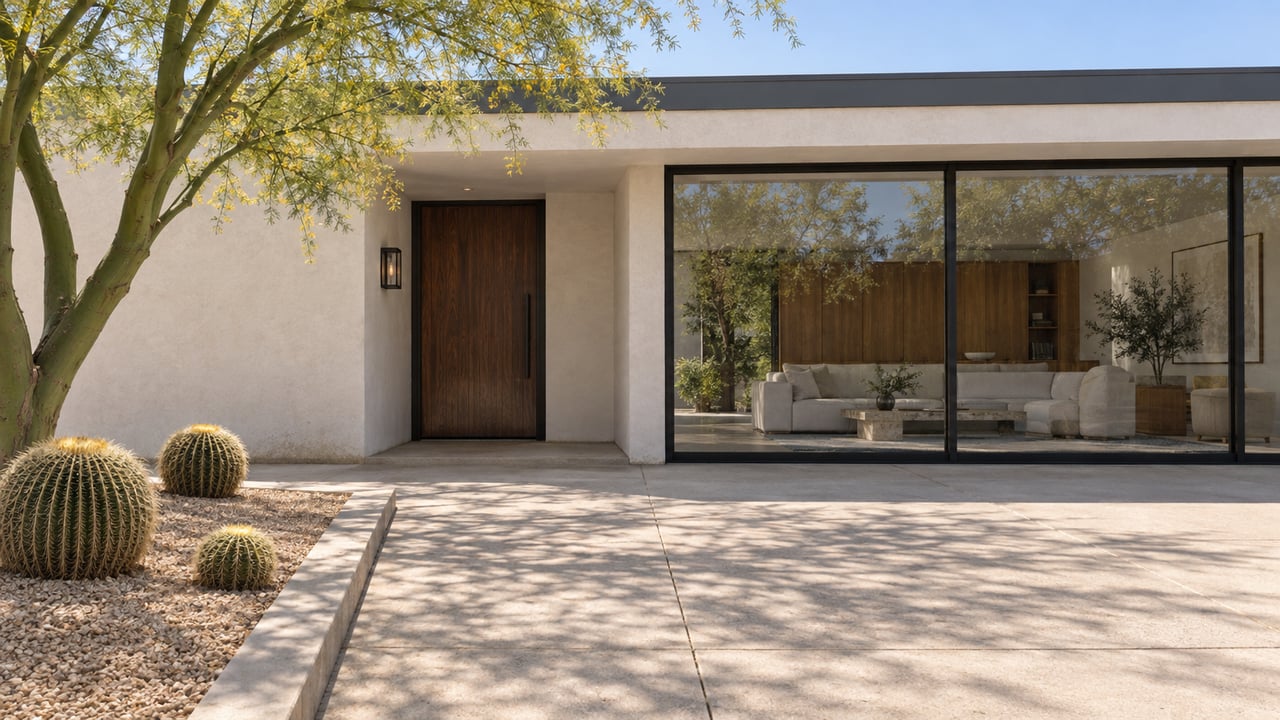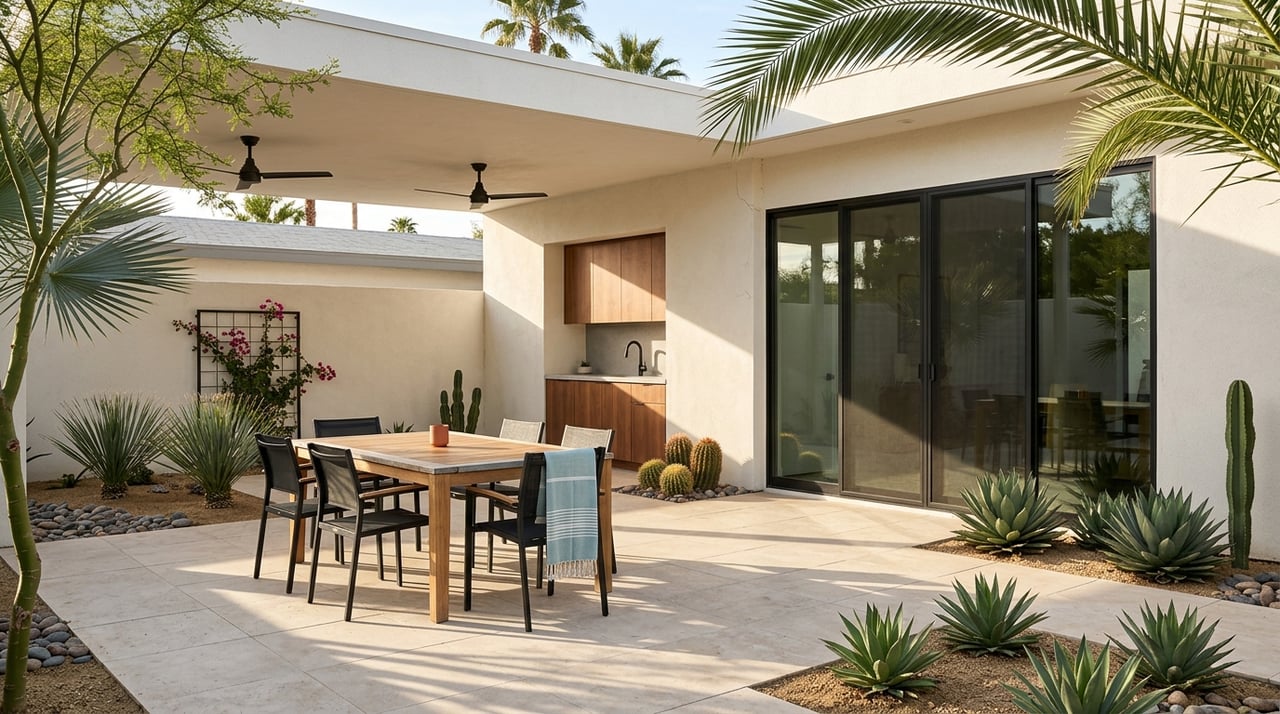
A second home in La Quinta can look like the dream: sunny winter mornings, mountain views, pool time, golf, trails, and an easy escape when you need one. But the right purchase depends on more than curb appeal, especially if you are weighing lifestyle, carrying costs, and the possibility of occasional rental income. If you want to buy with fewer surprises, the key is to make a few smart decisions early. Let’s dive in.
Why La Quinta appeals to second-home buyers
La Quinta has a strong resort and seasonal identity, which is a big part of its draw for second-home buyers. The City highlights world-class golf, more than 20 golf courses, Old Town Village shops and restaurants, mountain hiking, and a large winter and spring seasonal population.
That mix gives you options. You can focus on golf and club access, a lock-and-leave resort setting, or a more residential home base near trails and local amenities. In other words, La Quinta is not just one type of second-home market.
Start with your real goal
Before you tour homes, decide what this property needs to do for you. Some buyers want a pure personal retreat. Others want occasional rental use, easier maintenance, or a location that supports time outdoors without relying on golf.
That first decision shapes almost everything else, from neighborhood choice to monthly costs. It also helps you avoid falling for a home that fits your eye but not your actual plan.
Choose the right La Quinta setting
Golf-first communities
If golf is central to your lifestyle, PGA WEST is the clearest benchmark in La Quinta. It is marketed as a golf resort and private club with nine golf courses, clubhouses, and member amenities.
SilverRock is another golf-centric option. The City describes it as a 525-acre resort with a public Arnold Palmer-designed tournament course and planned residential components.
For buyers who picture their second home as a resort-style base with golf at the center, these communities can be a natural starting point. Still, you will want to compare access, amenities, HOA structure, and any rental restrictions at the property level.
Non-golf and everyday-living options
Golf is not mandatory to enjoy La Quinta. La Quinta Cove offers a useful comparison if you want more of an everyday desert setting and less of a resort-club feel.
The City identifies La Quinta Cove as the city’s first residential area, next to the historic Village District and the La Quinta Museum. The area also connects well with outdoor access, including the Cove Oasis Trailhead and access to Boo Hoff and Bear Creek trails.
If your ideal second home includes morning walks, nearby dining, and a more residential rhythm, this type of setting may be a better fit. It can also broaden your search if you are not looking for golf-focused amenities.
Think through lock-and-leave convenience
Many second-home buyers want a property that is easy to leave for weeks or months at a time. In La Quinta, that often means looking closely at managed communities with HOA oversight, shared amenities, and less exterior upkeep.
This is not a formal City category, but it is a useful way to compare homes. Ask how landscaping is handled, whether pool care is your responsibility, what security measures are in place, and how easy the home is to monitor remotely.
A beautiful home can become less appealing if it creates a long list of maintenance tasks every time you leave town. The more clearly you define your tolerance for hands-on ownership, the easier it becomes to narrow your choices.
Budget beyond the purchase price
Second-home buyers are often prepared for the mortgage and down payment, but carrying costs can be where the real surprises show up. In La Quinta, that means looking beyond the list price and monthly payment.
The City’s official information points to a basic utility stack that may include Imperial Irrigation District electricity, Coachella Valley Water District water, Southern California Gas, and Burrtec waste and recycling. On top of utilities, you may also have HOA dues, pool service, landscaping, insurance, and community-specific fees.
Property tax details matter
Riverside County says property taxes are calculated by assessed value times the tax rate. The County also states that California’s property tax rate is 1% plus voter-approved debt and special assessments.
Those special assessments can include items such as garbage collection, weed abatements, sewer charges, maintenance fees, and Mello-Roos. If you are comparing homes in different developments, those added costs can affect affordability more than you might expect.
Watch for supplemental tax bills
Supplemental tax bills can catch buyers off guard. Riverside County notes that supplemental tax bills are separate from annual tax bills, are often not sent to lenders, and have their own delinquency rules depending on when they are mailed.
If you are buying a second home, it is wise to plan for this upfront rather than treat it as an afterthought. A clear ownership budget should include expected taxes, possible supplemental bills, and any special assessments tied to the property.
Primary residence exemptions may not apply
Riverside County also describes a homeowner’s exemption deduction for property held primarily as the taxpayer’s residence. Because a second home may not qualify the same way, buyers should confirm eligibility with a tax professional before assuming any tax benefit.
That may sound like a small detail, but it can affect your true annual cost of ownership. In a second-home purchase, small details have a way of becoming big ones.
Be realistic about occasional rental plans
For many buyers, the biggest decision is whether the home needs to support short-term rental use. In La Quinta, this is not something to leave vague.
The City defines a short-term vacation rental as a legally permitted dwelling rented for 30 consecutive days or less. The City also requires both an STVR permit and a business license before advertising or renting the property.
New permit restrictions are tight
This is the key rule to understand early: La Quinta imposed a permanent ban on new General and Primary STVR permits effective May 20, 2021. New permits can now be issued only in exempt areas, for Homeshare permits, or for Large Lot Qualified & Certified properties.
Homeshare permits are a narrow exception because the owner must occupy the property throughout the visitor’s stay. For most second-home buyers, that means your ability to rent the home occasionally depends heavily on where the property is located and whether it falls within an exempt area.
Rental eligibility is parcel-specific
One of the most common mistakes buyers make is assuming that rental rules apply the same way across the city. They do not.
The City’s exemption map shows that some resort-style communities are treated differently by policy. Examples include Legacy Villas, La Quinta Resort including Spa & Tennis Villas, Embassy Suites/Casitas Las Rosas, SilverRock Resort/Talus, Signature at PGA WEST, Puerta Azul, Polo Villas Residences, Bravo Estates, Merv Griffin Estate, Travertine, and certain large-lot properties. The City also notes that HOA approval is required for some exempt properties.
That means you should verify the exact parcel, the current City rules, and the HOA position before you count on rental income. In La Quinta, the city name alone is never enough.
Active permit patterns can guide your search
The City’s quarterly STVR report can help buyers spot where short-term rental activity is concentrated. As of December 31, 2025, the City reported 1,215 active STVR permits.
Notable concentrations included Legacy Villas with 217, The Cove with 207, PGA WEST: Signature with 157, PGA WEST: Res I with 120, PGA WEST: Fairways with 84, Casitas Las Rosas with 72, Puerta Azul with 44, and Santa Rosa Cove with 41. That pattern suggests a practical lesson: if rental flexibility matters to you, check the specific development first.
Compliance costs are part of the math
If a property is eligible for short-term rental use, compliance still comes with costs and responsibilities. The City says transient occupancy tax on STVR income is 10% and applies to guest charges such as cleaning fees and pool heating fees.
The City also requires monthly reporting of TOT and TBID. Advertisements must show the permit number and authorized bedroom count, and operating without a valid permit can lead to fines and long-term ineligibility.
If your purchase only works financially with occasional rentals, these rules should be part of your screening process from day one. A realistic investment plan has to include both eligibility and compliance.
Build a practical second-home checklist
When you compare homes in La Quinta, keep your checklist simple and specific:
- What is your primary goal: personal use, occasional rental use, or both?
- Is the setting golf-first, resort-style, or more residential and trail-oriented?
- How easy is the property to lock and leave?
- What are the HOA dues and what do they cover?
- What utilities and routine services will you need to budget for?
- Are there special assessments, Mello-Roos, or likely supplemental tax bills?
- If rental use matters, is the parcel in an eligible area under current City rules?
- Does the HOA allow the type of use you want?
A clear checklist can save you time, narrow your search, and protect you from buying a home that does not support your real priorities.
Buy with clarity, not assumptions
A great second home in La Quinta is not just about finding a beautiful property. It is about matching the home to the way you plan to use it, the costs you are comfortable carrying, and the local rules that shape rental options.
When you get those decisions right early, the search becomes much more focused. You can compare communities with confidence, budget more accurately, and move toward a purchase that supports both your lifestyle and your long-term goals.
If you are weighing golf communities, residential pockets, or rental-eligibility questions in La Quinta, Hearken Real Estate can help you sort through the details and make a more confident second-home decision.
FAQs
What makes La Quinta attractive for a second home?
- La Quinta offers a strong resort-lifestyle appeal with golf, Old Town Village shops and restaurants, mountain hiking, and a large seasonal population during winter and spring.
Do you need to live in a golf community to enjoy a second home in La Quinta?
- No. Areas like La Quinta Cove, the Village area, and nearby trail access offer non-golf alternatives for buyers who want more everyday desert living.
Can you rent out a second home in La Quinta for short stays?
- Only if the property meets the City’s current STVR rules. La Quinta requires an STVR permit and business license for rentals of 30 consecutive days or less, and new permits are limited to exempt areas, Homeshare permits, or Large Lot Qualified & Certified properties.
Are all La Quinta neighborhoods eligible for short-term rentals?
- No. Rental eligibility is parcel-specific and should be checked against the City’s exemption map and any HOA rules before you buy.
What ownership costs surprise second-home buyers in La Quinta?
- Common surprises include HOA dues, utilities, supplemental tax bills, special assessments such as Mello-Roos, and short-term rental compliance costs if the property will be rented.
How are property taxes calculated for a second home in Riverside County?
- Riverside County says property taxes are based on assessed value times the tax rate, with California’s rate described as 1% plus voter-approved debt and special assessments.
What is a Homeshare permit in La Quinta?
- A Homeshare permit is a limited exception under the City’s STVR rules that allows short-term rental use only when the owner occupies the property throughout the visitor’s stay.
Why is lock-and-leave convenience important for a La Quinta second home?
- Many second-home owners spend only part of the year in La Quinta, so factors like HOA oversight, exterior maintenance, pool or landscape responsibilities, and remote monitoring can make ownership easier.