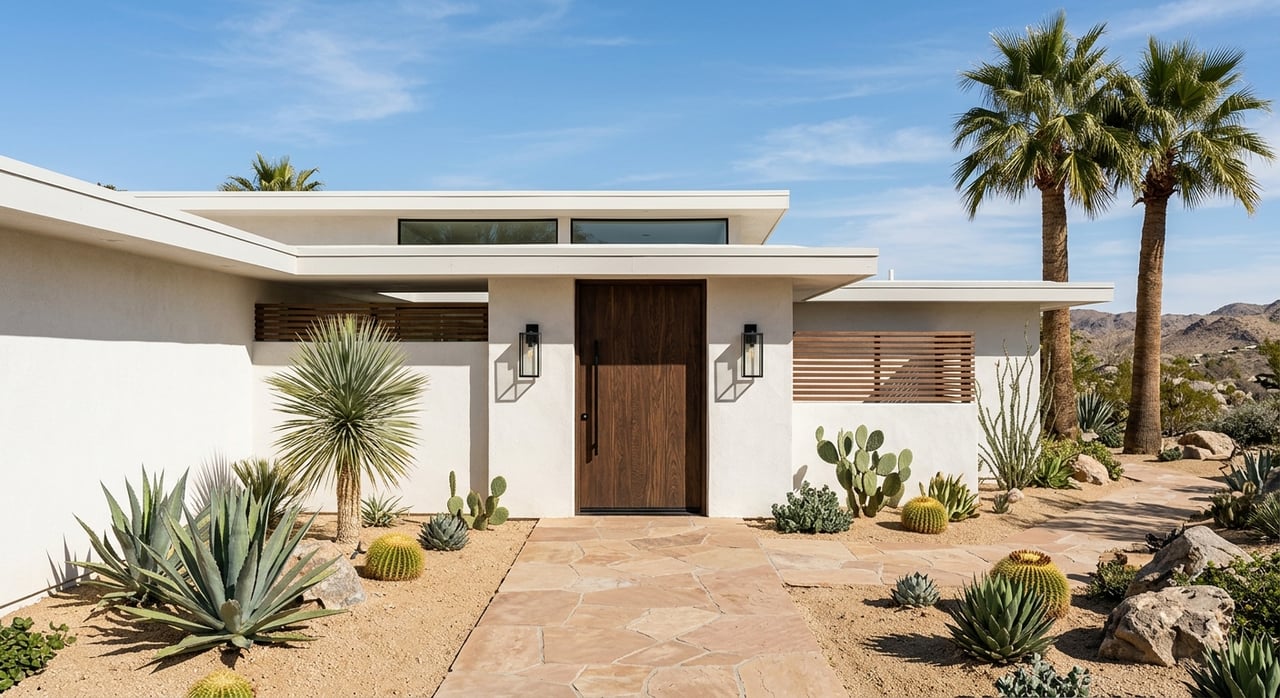
If you price your Palm Desert home based on hope instead of current market behavior, you may end up chasing the market down with price cuts later. That is frustrating, especially when you want a smooth sale and a strong result. The good news is that today’s numbers give you a clear path: in Palm Desert, disciplined pricing, strong presentation, and neighborhood-specific strategy matter more than wishful thinking. Let’s dive in.
Palm Desert pricing starts with reality
Palm Desert’s latest citywide data point to an active market, but not a highly competitive one. Over the three months ending May 2026, the median sale price was $604,638, homes averaged 78 days on market, the sale-to-list ratio was 96.2%, and only 9.0% of homes sold above list.
Just as important, 40.4% of homes had price drops, and Redfin reports an average of 1 offer per home. Median sale price per square foot was $322, down 6.8% year over year. For sellers, that signals a market where buyers are paying attention and comparing options carefully.
What does that mean for you? In this environment, correct pricing from day one can help you attract serious buyers sooner, while an aspirational list price may simply lead to more time on market.
Why overpricing can cost you
When buyers search in Palm Desert, they see your home next to competing listings in the same price band. If your home is priced above what recent comparable sales and current competition support, buyers may skip it before they ever schedule a showing.
NAR’s consumer guidance notes that list price recommendations should be based on recent comparable sales, current competition, size, location, amenities, condition, upgrades, repairs, and concessions. It also notes that homes priced more than 3% above the correct price tend to take longer to sell.
That matters in a market where many sellers are already making adjustments. If your home starts too high, the first few weeks can pass without enough activity, and later price reductions may not fully restore momentum.
Your micro-market matters more than the city average
One of the biggest pricing mistakes in Palm Desert is using citywide averages as the whole story. Palm Desert includes very different neighborhoods and property types, and buyers do not value them all the same way.
Recent neighborhood data show how wide that spread can be. Over the last three months ending May 2026, Palm Desert Resort had a median sale price of $377,373 with 112 days on market, Desert Falls was $539,818 with 108 days on market, South Palm Desert was $677,272 with 95 days on market, and Desert Willow was $909,694 with 83 days on market.
Those numbers make one thing clear: your home should be priced against its own micro-market. A condo in a resort-style community may compete against a very different buyer pool than a single-family home in South Palm Desert, even if both are within the same city.
Neighborhood context changes buyer expectations
Palm Desert Resort and Desert Falls are described as not very competitive, while Desert Willow is somewhat competitive. That difference affects not only pricing, but also how much urgency buyers feel.
If your home is in a slower-moving submarket, pricing too aggressively can reduce showings and extend your timeline. If your home is in a stronger pocket, smart pricing can help you capture attention while the listing still feels fresh.
Property type also shapes value
Palm Desert has a large mix of condos, golf community homes, resort-style properties, and year-round single-family residences. Buyers looking for a lock-and-leave condo often think differently than buyers looking for a full-time home with more space.
That is why price opinions should not rely on geography alone. NAR notes that comparable homes should be evaluated by size, upkeep, amenities, and competition, not just by proximity.
Seasonality matters in Palm Desert
Palm Desert is not a one-note housing market. It has a permanent population of 53,087 residents, about 32,000 seasonal residents, and 40,156 jobs within city limits. The city also benefits from 350 days of sunshine a year.
At the same time, the broader region has a strong visitor economy. Visit Greater Palm Springs reports 14.5 million visitors in 2024, and winter is a major travel season tied to golf, outdoor recreation, spa visits, and signature events.
For sellers, this creates a useful pricing insight. Palm Desert behaves partly like a resort market and partly like a year-round residential market, so the best timing and pricing approach may depend on the kind of home you own.
A seasonal condo may need a different strategy
If you are selling a golf-community condo or second-home style property, your likely buyer may be especially active during the desert’s peak seasonal window. In that case, pricing and launch timing may need to align with when those buyers are most engaged.
A primary residence may follow a steadier pattern
If you are selling a year-round single-family home with everyday convenience to Palm Desert amenities, your buyer pool may be broader and less tied to one travel season. That does not erase seasonality, but it can change how aggressively you need to price to create early traction.
Presentation is part of pricing
Price is not just a number. It is also the story buyers tell themselves about what they are getting for that number.
In NAR’s 2025 staging survey, 83% of buyers’ agents said staging made it easier for buyers to visualize the home as a future residence. The same survey found that 73% said listing photos were important, 57% said traditional staging was important, 48% said videos were important, and 43% said virtual tours were important.
In other words, buyers often judge value through what they see first. If your home shows well online and in person, buyers are more likely to understand your price and view the property as worth a closer look.
Focus on the spaces buyers notice first
NAR found that staging most often focuses on the living room, primary bedroom, kitchen, dining room, and outdoor or yard spaces. In Palm Desert, outdoor living areas can be especially important because of the climate and lifestyle appeal.
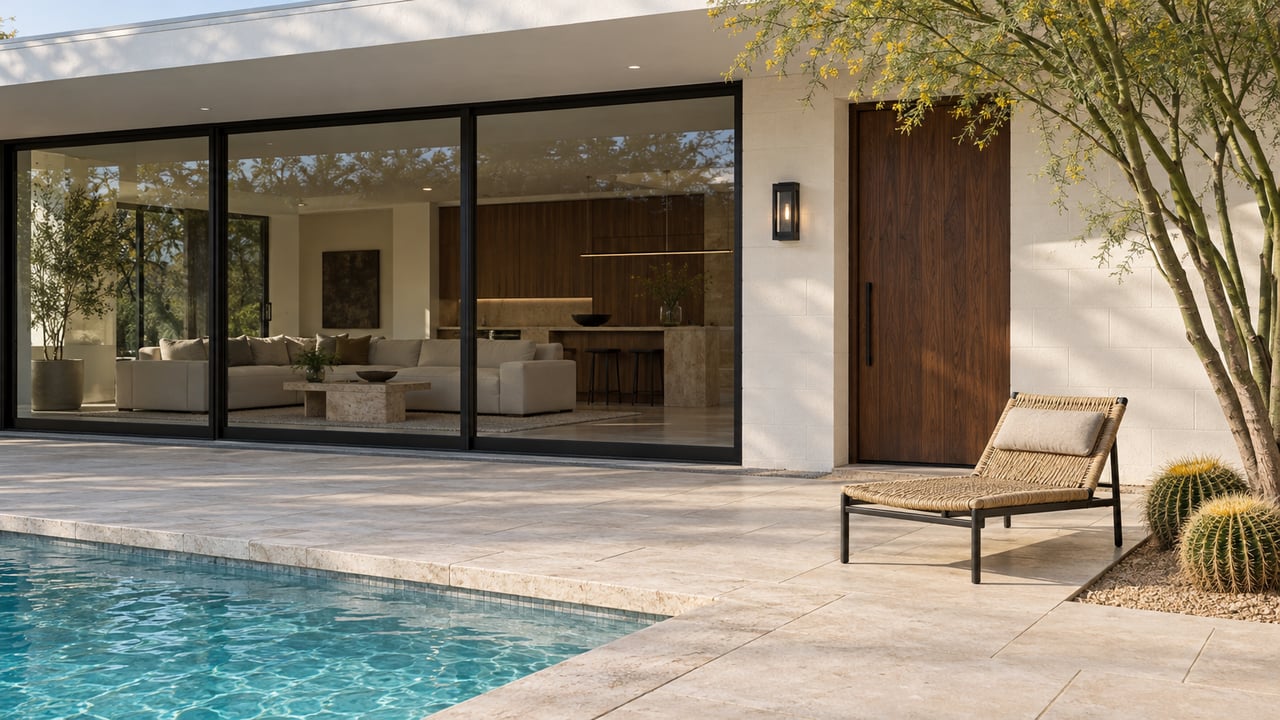
A clean patio, inviting pool area, tidy landscaping, and simple, bright interiors can help support your asking price. Some sellers’ agents in the staging survey also reported a 1% to 5% increase in offered value or a slight reduction in time on market when a home was staged.
Condition still affects pricing power
Upgrades, repairs, and overall upkeep influence how buyers compare your home to the competition. A turnkey home may justify a stronger price than a similar home that needs cosmetic updates or visible repairs.
That is especially true in Palm Desert, where buyers often compare updated homes with homes that need work. Before listing, it helps to look honestly at what your home offers today, not what it could offer after a future renovation.
Be careful with vacation-rental pricing claims
Some Palm Desert homes attract buyers who care about vacation use or rental income potential. That can be part of the value conversation, but it should be handled carefully and based on local rules.
Palm Desert defines short-term rentals as rentals of 27 consecutive nights or less. The city requires permits, annual renewal, HOA approval letters where applicable, and separate permits for each property. The city also states that STR permits do not transfer when a property sells.
That last point is especially important for pricing. If a buyer is paying more because they assume immediate vacation-rental use, that assumption should be checked against the city’s rules first.
Bedroom count accuracy matters too
Palm Desert also requires accurate disclosure of bedroom counts, and rooms without proper egress cannot be marketed as bedrooms. For a seller, that means value tied to sleeping capacity or rental use should be grounded in what the property can legally support.
The city notes that unpermitted STR operation can trigger a $5,000 first citation. So if rental appeal is part of your pricing strategy, it is wise to make sure the home’s eligibility and marketing details line up with local requirements.
A smart Palm Desert pricing approach
If you want to price well in today’s market, a balanced strategy usually works better than aiming high and hoping buyers stretch. The goal is not to underprice your home. The goal is to position it where the right buyers see value and act.
A thoughtful pricing plan often includes:
- Reviewing recent comparable sales in your specific Palm Desert neighborhood or community
- Comparing active competition, not just past sales
- Adjusting for size, condition, upgrades, amenities, and outdoor features
- Considering whether your likely buyer is a seasonal, second-home, or year-round purchaser
- Evaluating whether presentation supports the asking price
- Checking local STR rules before using rental potential as a value driver
When these pieces work together, pricing becomes less of a guess and more of a strategy.
What sellers should remember now
Palm Desert’s current market rewards sellers who lead with data, not emotion. With a 96.2% sale-to-list ratio, 78 average days on market, and a high share of price drops, buyers have room to compare and negotiate.
That does not mean you cannot achieve a strong sale. It means the strongest results often come from matching your price to your home’s real position in its micro-market, then backing that price with polished presentation and a clear plan.
If you are thinking about selling, the most useful starting point is a pricing conversation grounded in current Palm Desert conditions, not generic averages. For tailored guidance on your home’s value and positioning, connect with Hearken Real Estate.
FAQs
How should you price a home in Palm Desert in today’s market?
- You should base pricing on recent comparable sales, current competition, your home’s condition, size, amenities, and your specific Palm Desert micro-market rather than the citywide average alone.
What is the current Palm Desert housing market like for sellers?
- Over the three months ending May 2026, Palm Desert had a median sale price of $604,638, average days on market of 78, a 96.2% sale-to-list ratio, 9.0% of homes selling above list, and 40.4% of homes with price drops.
Why do Palm Desert neighborhoods affect home pricing so much?
- Neighborhoods and communities in Palm Desert show wide differences in price points, days on market, and competitiveness, so a condo in a resort-style area may need a very different pricing strategy than a single-family home in another part of the city.
Does seasonality affect when you should list a Palm Desert home?
- Yes. Palm Desert has both year-round residential demand and seasonal resort demand, so the best listing window can depend on whether your home appeals more to seasonal second-home buyers or full-time residents.
Can short-term rental income increase your Palm Desert home’s value?
- It can influence buyer interest, but any value tied to short-term rental use should be checked against Palm Desert’s local permit rules, HOA requirements where applicable, and non-transferability of STR permits at sale.