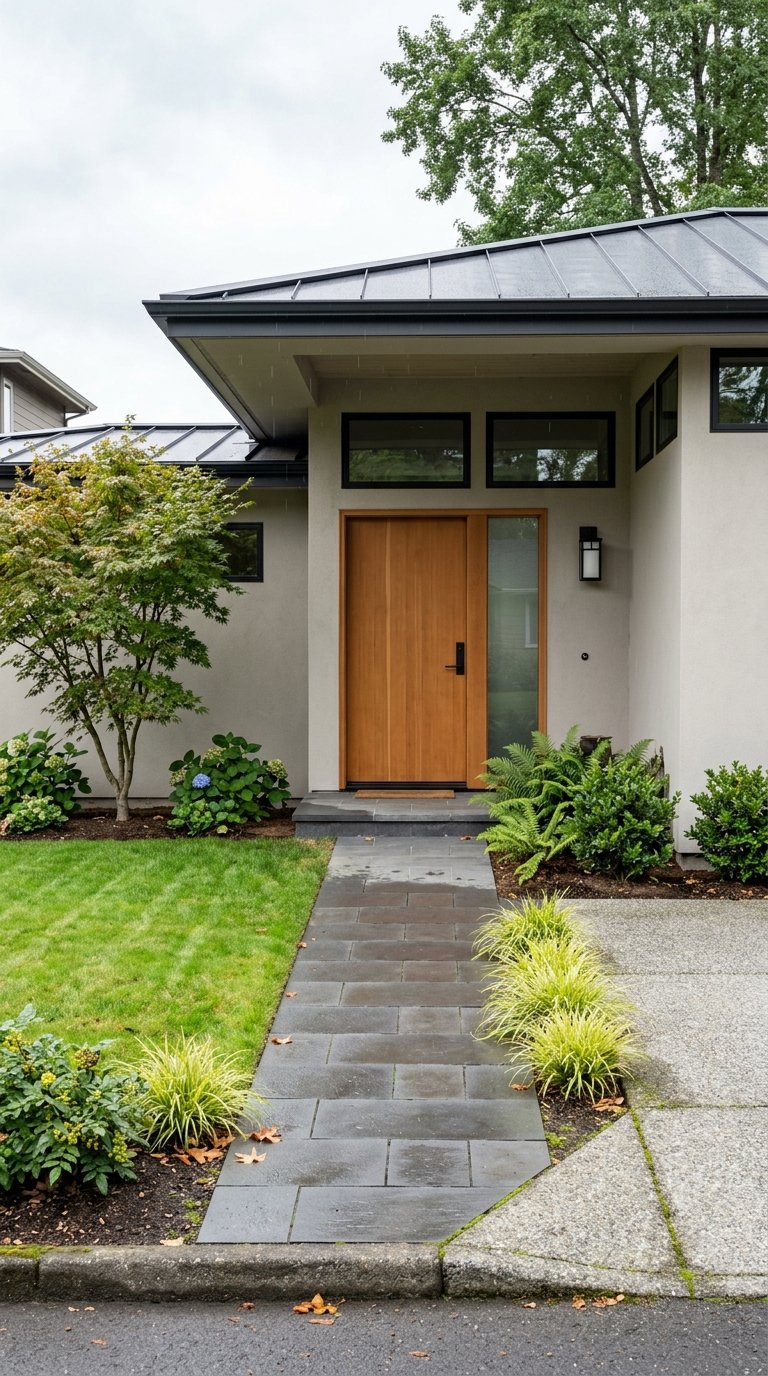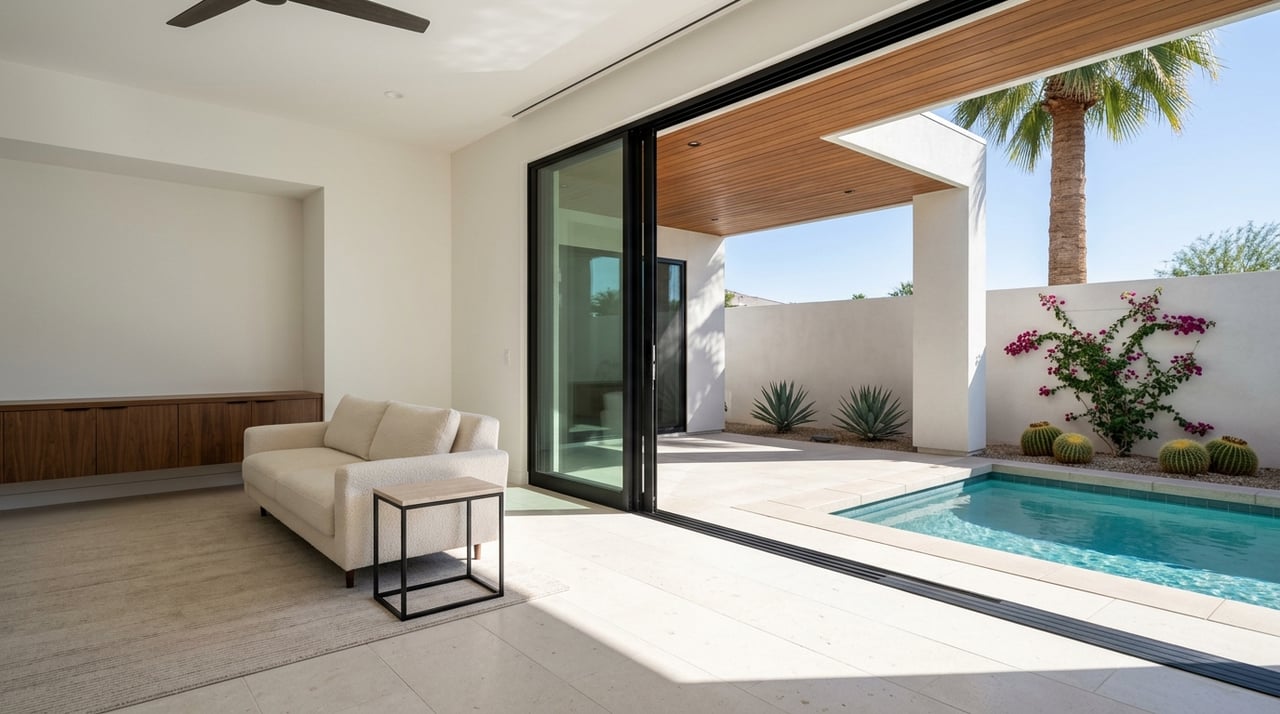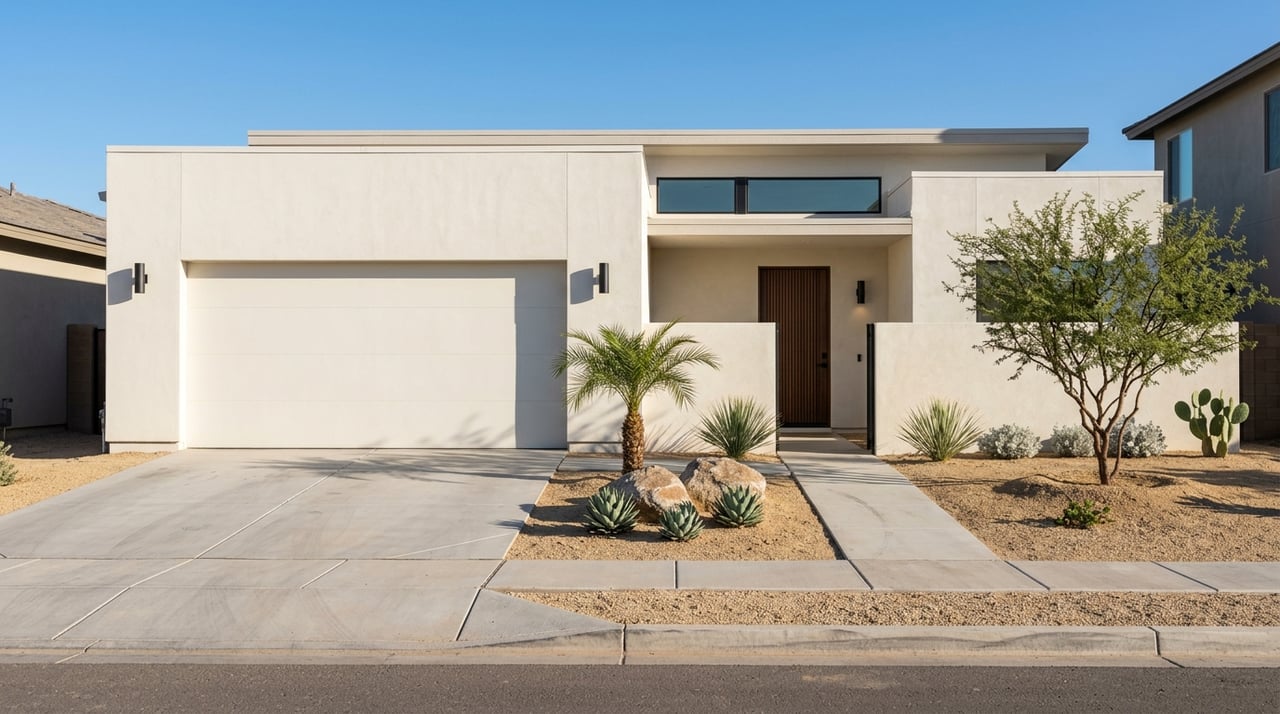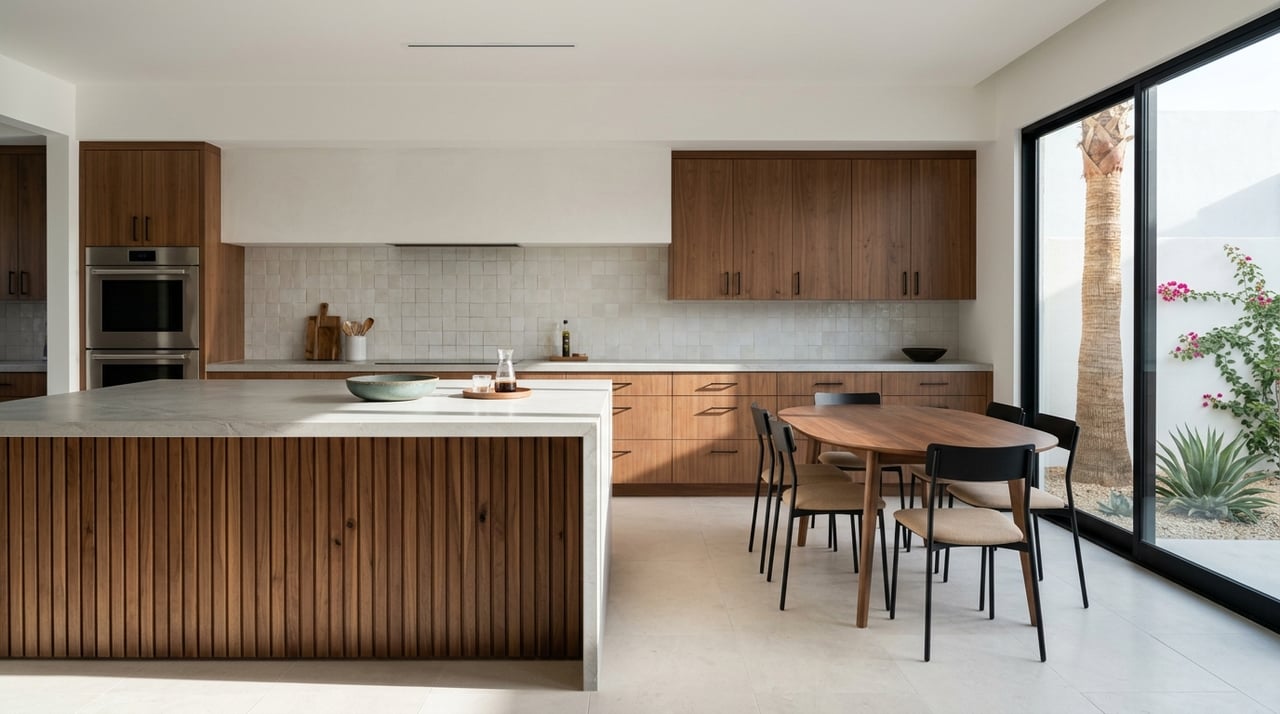
Thinking about selling in Seattle so you can buy in Palm Springs? You are not just making one move. You are coordinating two very different housing markets, two closing timelines, and a financing plan that needs to hold together from start to finish. If you want to protect your equity, reduce stress, and make smart decisions on both sides, a clear game plan matters. Let’s dive in.
Why this move takes planning
A Seattle-to-Palm Springs move is really a timing puzzle. On the Seattle side, you are selling into a market that is still expensive but less frenzied than it was in the tightest years. On the Palm Springs side, you are buying in a more seasonal market that may offer more negotiating room depending on when you shop.
That contrast is what makes upfront planning so important. According to the Northwest Multiple Listing Service, active listings in February 2026 were up nearly 28% year over year across its service area, and King County’s median sales price was $840,000. In the Coachella Valley, the Greater Palm Springs REALTORS® March 2026 report showed a detached median price of $690,000 and a valley-wide months-of-sales ratio of 5.7.
Seattle market: strong, but less frantic
If you are selling in Seattle or greater King County, the market still supports meaningful home values. But it is not the same environment as the ultra-competitive period when nearly anything could move quickly at top dollar.
NWMLS reported in its 2025 annual data that the average months of supply was 2.83, which remains below the 4 to 6 months often associated with a balanced market. The same report showed homes selling for an average of 99.6% of list price. That means pricing, preparation, and presentation still matter if you want to maximize your result.
For you as a seller, this usually means a realistic pricing strategy is more important than chasing the market. It also means your expected net proceeds should be estimated carefully before you commit to a purchase in Palm Springs.
Palm Springs market: seasonal and more flexible
Palm Springs and the broader Coachella Valley tend to move on a different rhythm. The desert market is more seasonal, and buyers often see a little more room for negotiation than they might in Seattle.
The GPSR March 2026 report noted that Palm Springs had a median selling time of 43 days. It also noted that median prices in the Valley usually reach a seasonal low in autumn and a seasonal high in spring. If you are flexible on timing, that seasonality may affect both the homes available to you and the leverage you have when writing offers.
This does not mean every seller will negotiate heavily. It does mean that your buying strategy in Palm Springs should be tied to timing, inventory, and your comfort level with waiting for the right opportunity.
Sell first or buy first?
This is the biggest question for most Seattle homeowners making the move. There is no one answer that fits everyone, but there are two main paths to consider.
Option 1: Sell first
Selling first is often the simpler route. It gives you a clearer picture of your available equity, reduces the chance of carrying two mortgage payments at once, and may make your Palm Springs pre-approval more straightforward.
If your Seattle home represents a large portion of your buying power, this path can remove a lot of guesswork. You know your actual sale proceeds, your debt picture is cleaner, and you can shop in Palm Springs with more confidence.
Option 2: Buy first
Buying first can work, but it usually takes more planning. If you want to buy in Palm Springs before your Seattle sale closes, your lender will need to be comfortable with the overlap and your ability to carry all related obligations.
According to Fannie Mae guidance on bridge and swing loans, a bridge or swing loan can be an acceptable source of funds when the lender documents the borrower’s ability to carry the new home, the current home, the bridge loan, and other debts. The bridge loan also cannot be cross-collateralized against the new property.
In practical terms, buy-first is often a good fit only when your cash flow, reserves, and documentation support it. It is possible, but it should be evaluated early.
How to use your Seattle equity
If you want to shop in Palm Springs before your Seattle home closes, the main question is often how much equity you can access and what that will cost you each month.
Two common tools are a HELOC and a home equity loan. The Consumer Financial Protection Bureau explains that a HELOC is usually an open-end line of credit secured by your home equity, often with a draw period and a variable rate. A home equity loan is generally a lump-sum second mortgage.
The right comparison is not just how much you can borrow. You also need to compare:
- The monthly payment
- Whether the rate is fixed or variable
- How long you may carry both homes
- What happens if your Seattle sale takes longer than expected
- Whether your lender will approve the full structure
This is where early lender conversations matter. The sooner you know your options, the easier it is to set realistic price ranges and timelines.
Build your timeline backward
When two markets are involved, a clean timeline can save you from expensive decisions. Instead of starting with the dream home in Palm Springs, it often helps to start with the practical pieces first.
Step 1: Estimate your Seattle net proceeds
Before you look seriously in Palm Springs, get a realistic view of what your Seattle sale may net after mortgage payoff, closing costs, and Washington taxes that apply at closing. This gives you a more accurate budget than an online estimate ever could.
Step 2: Talk with a lender early
If you may need overlap financing, this conversation should happen before you fall in love with a home. Ask direct questions about bridge financing, HELOC options, required reserves, and how long you can comfortably carry the debt.
Step 3: Review tax issues before listing
Taxes are easier to address before dates are locked in. If your Seattle home has ever been rented, used for business, or shifted between personal and rental use, your tax picture may be more complex.
Step 4: Prepare the Seattle home for market
Because Seattle is still value-rich but less frantic, your listing strategy matters. Thoughtful pricing and presentation can help protect your sale price and reduce the chance of timing delays that affect your purchase.
Step 5: Match your Palm Springs search to your sale plan
If you are selling first, you may search more aggressively once your equity is known. If you are buying first, you may want to narrow your target areas and budget early so you can move quickly when financing is in place.
Taxes to flag before you move
Taxes are not the most exciting part of a relocation, but they can affect your true bottom line in a big way. Three items deserve early attention.
Federal home sale exclusion
The IRS home sale guidance in Publication 523 allows an exclusion of up to $250,000 for single filers or $500,000 for married couples filing jointly if the home is your main home and you meet the ownership and use tests.
That is the starting point for many primary-residence sellers. But the same IRS guidance warns that depreciation recapture and periods of nonqualified use can reduce or limit the exclusion if the property was rented or used for business. If your Seattle home has any mixed-use history, a CPA should review it before you list.
Washington taxes at closing
Washington’s capital gains tax does not apply to the sale or exchange of real estate, according to the Washington State Department of Revenue FAQ. For most Seattle homeowners, that is not the key state issue.
What usually matters more is Washington’s real estate excise tax, often called REET. The Department of Revenue says the seller usually pays it unless a specific exemption applies, so it should be built into your estimated closing costs.
California property tax reassessment
When you buy in Palm Springs, California property taxes deserve careful attention. The California Board of Equalization explains that when a change in ownership occurs, property is generally reassessed to current fair market value.
That means your new Palm Springs purchase will usually be assessed based on its purchase price, not your old Washington basis. If you have questions about California-specific rules, including Proposition 19, it is wise to speak with a California property tax professional before you close.
Why market comparison matters
It is easy to focus only on your Seattle sale price or only on your Palm Springs wish list. But the smart move is to compare both markets at the same time.
Seattle’s market still supports strong values, but rising inventory means you should not assume a fast, premium outcome without a good listing plan. Palm Springs offers a more seasonal pattern and, based on current data, more buyer-friendly conditions in the broader valley. That difference affects how you price, when you list, how much financing flexibility you may need, and when you should write offers.
When you view the move as one coordinated financial plan instead of two unrelated transactions, better decisions usually follow.
A practical game plan
If you are preparing to sell in Seattle and buy in Palm Springs, keep your strategy simple:
- Get a realistic estimate of your Seattle net proceeds.
- Decide whether sell-first or buy-first fits your finances and risk tolerance.
- Speak with a lender early if you may need bridge financing, a HELOC, or temporary overlap.
- Review tax issues before listing, especially if the Seattle home had rental or business use.
- Time your Palm Springs search around both market seasonality and your actual financing position.
This kind of move can absolutely be done smoothly, but it usually works best when your sale, purchase, financing, and tax conversations all happen in the right order.
If you want steady, partner-led guidance across both markets, Hearken Real Estate can help you build a Seattle-to-Palm-Springs plan that fits your timing, equity, and next chapter.
FAQs
Should I sell my Seattle home before buying in Palm Springs?
- Usually, selling first is the lower-complexity option because it clarifies your equity and avoids the risk of carrying two housing payments at once, but buying first can work if your lender approves the structure and your cash flow supports the overlap.
Can I use Seattle home equity to buy in Palm Springs?
- Yes, many homeowners explore a HELOC or home equity loan, but you should compare the payment, rate structure, and carry period, not just the amount available to borrow.
What taxes matter when selling in Seattle and buying in Palm Springs?
- The main items to review are the federal home sale exclusion, Washington real estate excise tax on the sale, and California property tax reassessment on the new purchase.
Does Washington capital gains tax apply to a Seattle home sale?
- No, the Washington State Department of Revenue says the state’s capital gains tax does not apply to the sale or exchange of real estate.
How does Palm Springs seasonality affect my home purchase?
- GPSR reports that Coachella Valley pricing often reaches a seasonal low in autumn and a high in spring, so your timing may affect both selection and negotiating leverage.
Should I talk to a CPA before selling my Seattle home?
- Yes, especially if the home was ever rented, used for business, or shifted between personal and rental use, because those details can change how the federal exclusion applies.