Buying a vacation rental in Joshua Tree can be both inspiring and profitable, but the details matter. Between county permits, seasonality swings, and desert-specific due diligence, small misses can turn into big costs. If you want a smart, steady return, you need a clear plan from offer to first booking.
This guide gives you the essentials you need to underwrite, verify, and operate a short-term rental in unincorporated Joshua Tree. You will learn which permits are required, how the market performs, what to check on the property, and how to budget with confidence. Let’s dive in.
Why Joshua Tree works
Joshua Tree National Park draws millions of visitors each year, which is the foundation for local demand. According to the National Park Service, annual visitation in recent years has been around 3 million, with clear peaks in the spring and other cooler months. That flow of guests creates a strong high season and a softer summer period due to heat, which should shape your pricing and projections. You can review monthly visitation patterns in the park’s own statistics and reports.
Seasonality is your friend if you plan for it. Spring and late fall to winter holidays often deliver the highest occupancy and rates, while summer tends to be slower. Your calendar, rates, and minimum-stay rules should flex to those patterns.
Know the rules first
Unincorporated Joshua Tree is regulated by San Bernardino County’s short-term rental ordinance. Private homes rented for 30 days or less require a County STR permit. The County’s official Short-Term Rentals portal is your starting point for application steps, fee schedules, FAQs, and the permitted-properties map.
Two permitting facts can change your purchase strategy:
- Permits are required and not transferable. A new owner must apply for a new STR permit after closing. That means you should confirm current status, any violations, and plan for application timing. See the County code on permit requirements and transferability here.
- Per-parcel and per-owner limits exist. The ordinance caps how many permits can be issued for a parcel and limits the number any single owner can hold. Review Chapter 84.28 with your agent to confirm how these limits apply to your situation.
Operating conditions also affect your costs and house rules. Key examples from the ordinance include occupancy limits tied to bedroom count, on-site parking for all guest vehicles, a 24/7 local contact with a one-hour physical response capability, required in-unit postings, and restrictions on events. You can see examples of occupancy caps and other conditions in the County’s conditions of operation section here.
Permit eligibility and zoning
Permit eligibility depends on zoning and the legality of the dwelling’s use. Ask San Bernardino County Land Use Services to verify zoning for the parcel and whether the structure is a legally recognized single housekeeping unit. Also check the County’s permitted-properties map for any active STR permit history, then confirm the details with the County directly.
Application timeline and public notice
New applications include a neighbor notice and comment period, followed by an appeal period before issuance in many cases. Build these waiting periods into your contract timeline so you are not relying on unrealistic launch dates. The County outlines the process and current fees on its Short-Term Rentals portal.
What performance looks like
Joshua Tree’s STR market has grown, and performance varies by property type, location, and amenities. As a high-level benchmark, AirDNA’s public Joshua Tree summary has recently shown market-level occupancy around the low to mid 50 percent range with an average daily rate a little above three hundred dollars. You can review current Joshua Tree market metrics on AirDNA’s overview.
Expect strong seasonality. Model at least three scenarios for your pro forma: a base case around the mid 50 percent range, a conservative case around the low 40s, and a stress case near the low to mid 30s depending on home type and location. Many owners also factor in inventory growth, which can put pressure on occupancy over time, and plan extra marketing and refresh budgets.
Features that drive returns
Guests expect reliable essentials and pay premiums for standout experiences. In Joshua Tree, reliable internet, AC and heat, safe parking, and a full kitchen are baseline. To justify higher ADRs, consider:
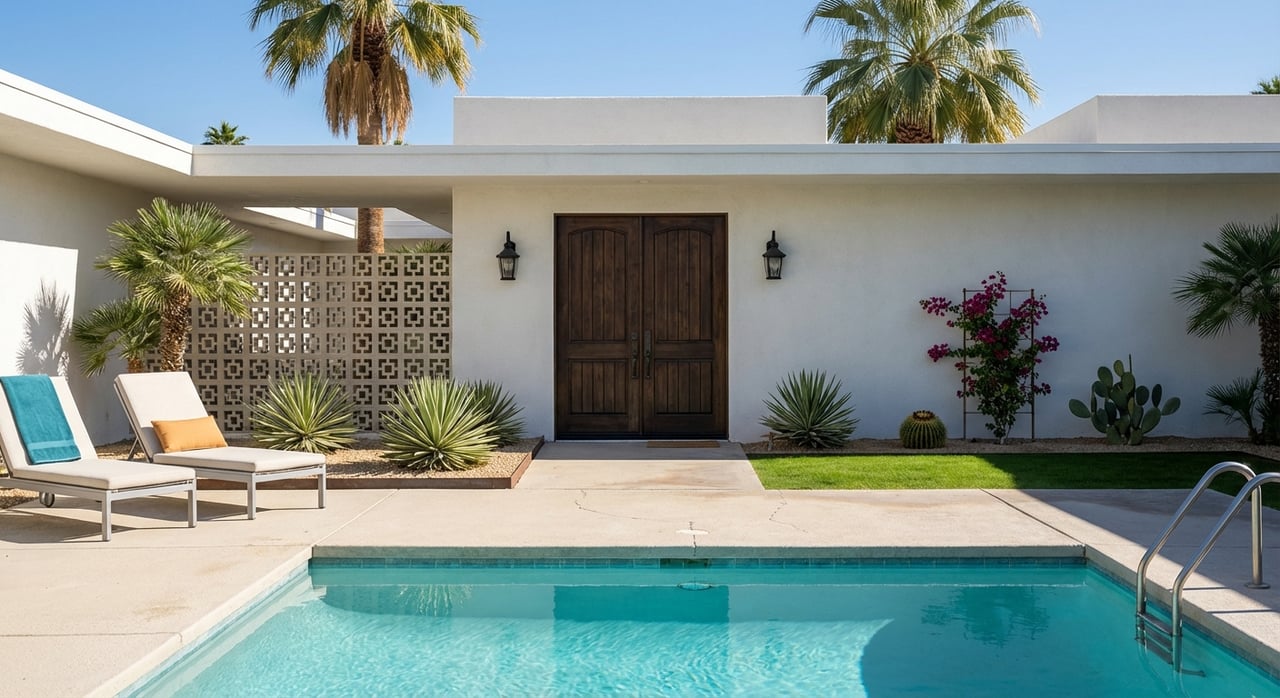
- Privacy and outdoor living areas designed for stargazing
- Hot tubs or spas with clear maintenance plans
- Fire features that meet local safety rules
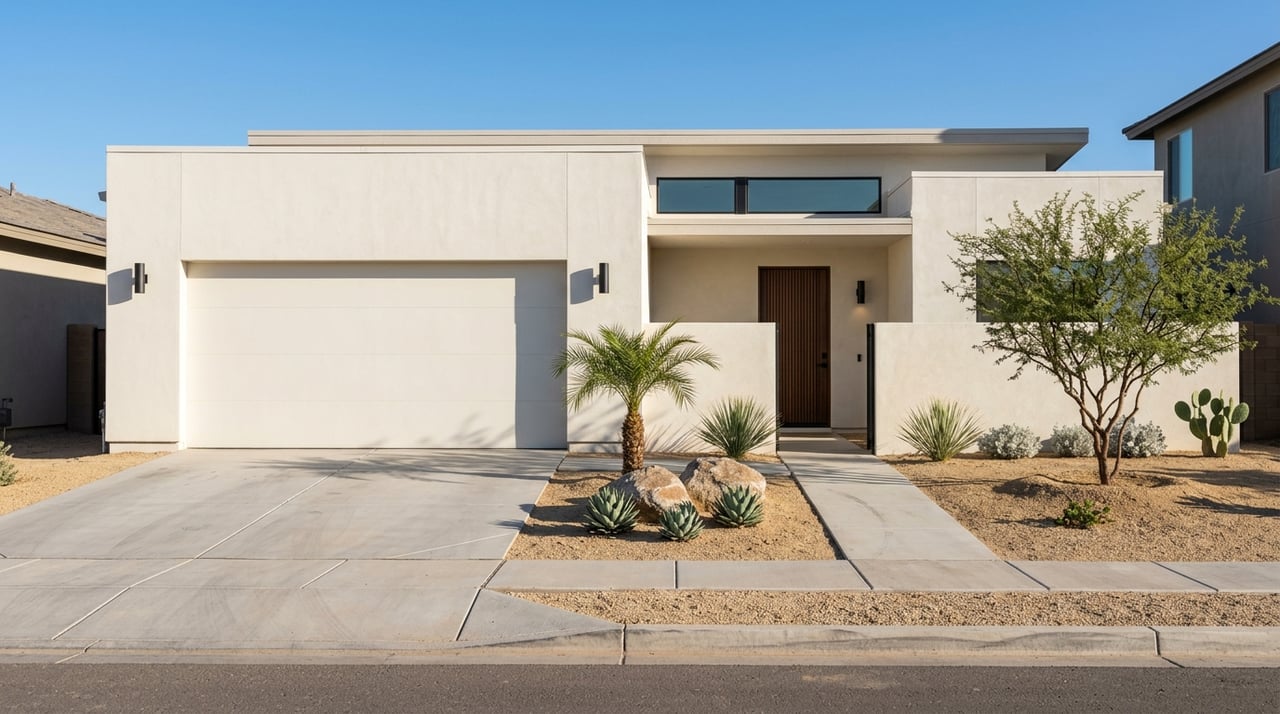
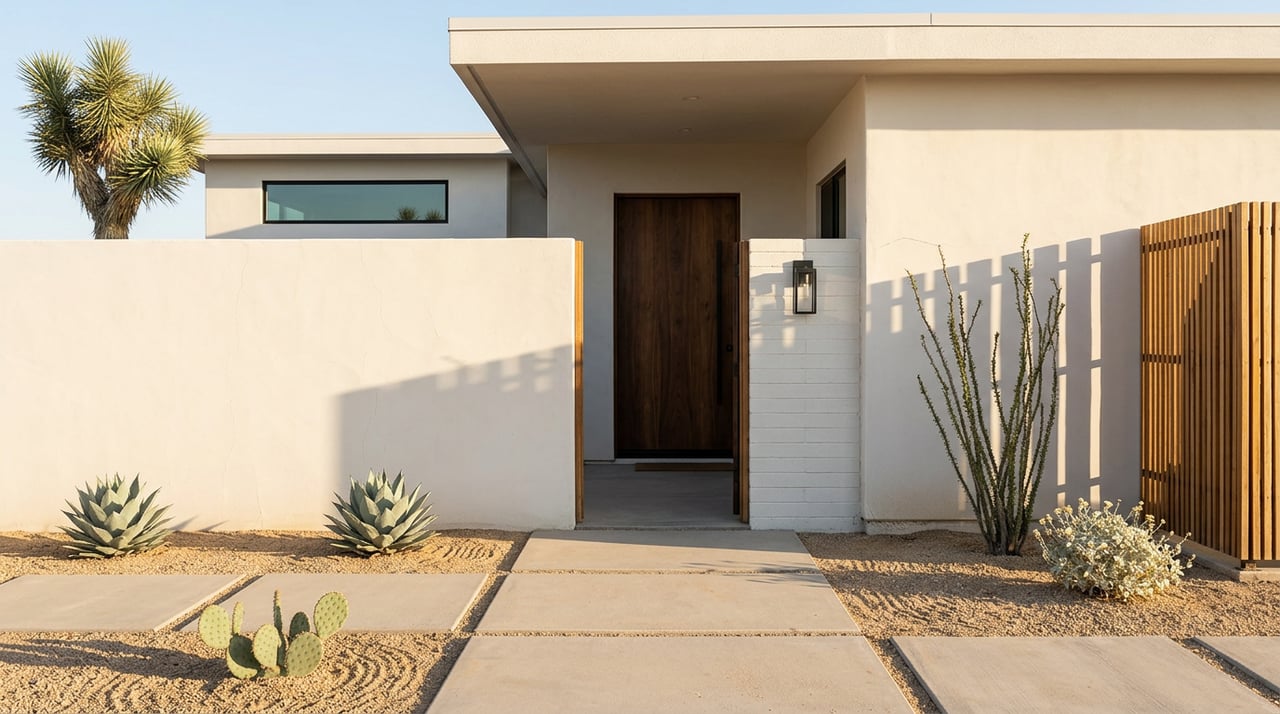
- Photogenic design and professional photography that speaks to the desert experience
- Clear access on maintained roads and easy self check-in
Thoughtful design, easy wayfinding, and crisp photos can elevate your listing in a competitive set.
Desert-specific due diligence checklist
Use this short list to protect your offer and your pro forma. Ask your agent to help you secure documents early in escrow.
- Parcel and title
- Confirm APN, legal address, acreage, and recorded deed history. Verify there are no liens or unpaid tax or assessment items that affect operation.
- STR permit status
- Pull the County permit record if one exists and check for violations or suspensions. Remember, permits do not transfer to you as a buyer.
- Zoning and building records
- Ask Land Use Services to confirm zoning and whether the use is permitted. Check that additions, ADUs, or conversions were built with permits.
- Seller revenue and calendar data
- Request 24 to 36 months of platform statements, calendar exports, and a detailed P&L. Verify gross bookings, platform fees, cleaning fees, utilities, insurance, repairs, and remitted taxes.
- Water service
- Check whether the parcel is served by Joshua Basin Water District or a private well, and confirm capacity and connection details with JBWD. Obtain recent bills.
- Septic and OWTS
- For unsewered parcels, confirm permits and inspection history with County Environmental Health. Review any Designated Maintenance Area obligations and recent reports through San Bernardino County Environmental Health.
- Fire risk and insurance
- Identify the parcel’s Fire Hazard Severity Zone using CAL FIRE’s county maps and ask local fire authorities about defensible space and water supply. See the OSFM county map resource here. Obtain multiple insurance quotes that include vacation rental endorsements.
- Joshua tree and native plant protections
- If Joshua trees are present, renovations or ground disturbance may require surveys or a tree removal permit. County planning documents outline these protections; review an example of County references to tree and plant rules here and consult the County before planning improvements.
- Neighbor and noise exposure
- Review complaint history if available. Drive by at different times, and plan a noise management approach that aligns with County rules.
Budget and pro forma basics
Your budget should reflect seasonality, local code, and real operating costs. Anchor your underwriting to actuals whenever a seller can provide them.
- Taxes and fees
- San Bernardino County’s Transient Occupancy Tax is 7 percent on short stays. Understand how platforms collect and remit, and register as needed. See the County TOT code reference here.
- Management and staffing
- The County requires a 24/7 contact with one-hour physical response ability. If you do not live nearby, budget for a local property manager with on-call coverage, plus cleaning, landscaping, pool service, and routine maintenance.
- Utilities and connectivity
- Confirm electric capacity, heating and cooling systems, and reliable internet. Many rural parcels use hybrid solutions; verify serviceability for your exact address.
- Insurance
- Vacation rental endorsements and wildfire exposure can push premiums higher than a standard homeowner policy. Get quotes early in escrow.
- Capital and refresh
- Set aside funds for furniture, linens, safety devices, exterior lighting, and photo-ready design. Plan for periodic refreshes to stay competitive.
- Contingency
- Add a buffer for code-driven items like parking layout changes, exterior signage, or posting requirements.
A step-by-step path from offer to first booking
Use this outline to keep your purchase and launch on track.
- Pre-offer
- Build a base, conservative, and stress pro forma. Use multiple data sources for sanity checks and align seasonality with park visitation patterns. Reference high-level benchmarks from AirDNA’s Joshua Tree overview.
- Confirm at a high level that parcel zoning and general County STR rules support your intended use using the County’s Short-Term Rentals portal.
- Offer terms
- Include contingencies to verify zoning and STR eligibility, review 24 to 36 months of booking and financial records, check enforcement history, secure insurance quotes, and confirm financing.
- Address bookings at closing. Because permits do not transfer, decide how existing reservations will be handled post-closing and what wind-down the seller will manage.
- Escrow diligence
- Order title, permit records, zoning confirmation, and building permit history.
- Verify water service with JBWD and obtain septic and OWTS records with Environmental Health.
- Get at least two quotes from local property managers and confirm on-call coverage to meet the County response expectations.
- Permit application planning
- Prepare your County STR application, required postings, and neighbor notice steps. The County outlines timing and fees on its Short-Term Rentals portal. Build notice and appeal periods into your launch plan.
- Launch readiness
- Install safety gear, label parking, and finalize house rules that reflect occupancy and quiet hours. Ensure your listing displays your County STR permit number as required.
- Pre-schedule professional photography once the home is guest-ready.
Local risks and how to reduce them
- Regulatory change
- Counties can adjust ordinances or fees. Monitor County updates and allow room in your underwriting for changes.
- Demand swings and supply growth
- Occupancy can move with inventory levels and travel trends. Model conservative scenarios and track your direct booking and marketing plans.
- Wildfire and insurance
- Exposure varies by parcel. Use the OSFM county map here to understand hazard zones and ask local fire authorities about defensible space. Budget for higher premiums and mitigation work if needed.
- Protected species and site limits
- Joshua tree and native plant protections can limit or delay projects like new decks, pools, or grading. Review County planning references here and consult the County before you plan site changes.
The bottom line
Joshua Tree can be a rewarding STR market if you approach it with a clear plan and conservative numbers. Start with the County rules, underwrite to seasonality, verify utilities and septic, and build a capable local team. When you stack these fundamentals, you protect your downside and give yourself room to outperform.
If you want experienced, steady guidance from offer through launch, connect with Hearken Real Estate. Our partners bring cross-market investor insight, transaction savvy, and local knowledge to help you buy with confidence and operate with clarity.
FAQs
What permits do I need to run a short-term rental in unincorporated Joshua Tree?
- San Bernardino County requires a Short-Term Rental permit for stays under 30 days, and permits do not transfer on sale to a new owner.
How long does the San Bernardino County STR permit process take?
- Allow for neighbor notice and an appeal period after you apply, which can add several weeks before issuance depending on County timing.
What are typical occupancy and nightly rates in Joshua Tree?
- Market summaries often show occupancy in the low to mid 50 percent range and ADR a little above three hundred dollars, with stronger spring and cooler months.
How many guests can I host based on bedroom count?
- County code ties occupancy to bedrooms, with examples like 2 bedrooms at 6 guests and 3 bedrooms at 8, and a total cap at 12 in many cases.
What should I verify about water and septic before I buy?
- Confirm water service with Joshua Basin Water District or well details, and obtain septic or OWTS permits and inspection history from County Environmental Health.
What taxes apply to Joshua Tree vacation rentals?
- The County Transient Occupancy Tax is 7 percent on short stays; confirm registration and how your booking platform handles collection and remittance.
How does wildfire risk affect my investment?
- Fire Hazard Severity Zones can impact insurance pricing and mitigation requirements, so check OSFM maps and get insurance quotes early in escrow.